

Why Am I So Bloated After Eating? Causes & Natural Relief
If you feel tight, swollen, or uncomfortably full soon after a meal, you’re not imagining it. Asking why am I so bloated after eating is one of the most common digestive questions out there, and in most cases it’s a normal digestive response rather than a sign that something is seriously wrong. There’s also a lot you can do about it once you understand what’s driving it.
Disclosure: This post contains affiliate links. If you purchase through one of these links, we may earn a small commission at no extra cost to you. We only recommend products we believe may genuinely help our readers.
What Causes Bloating After Eating?
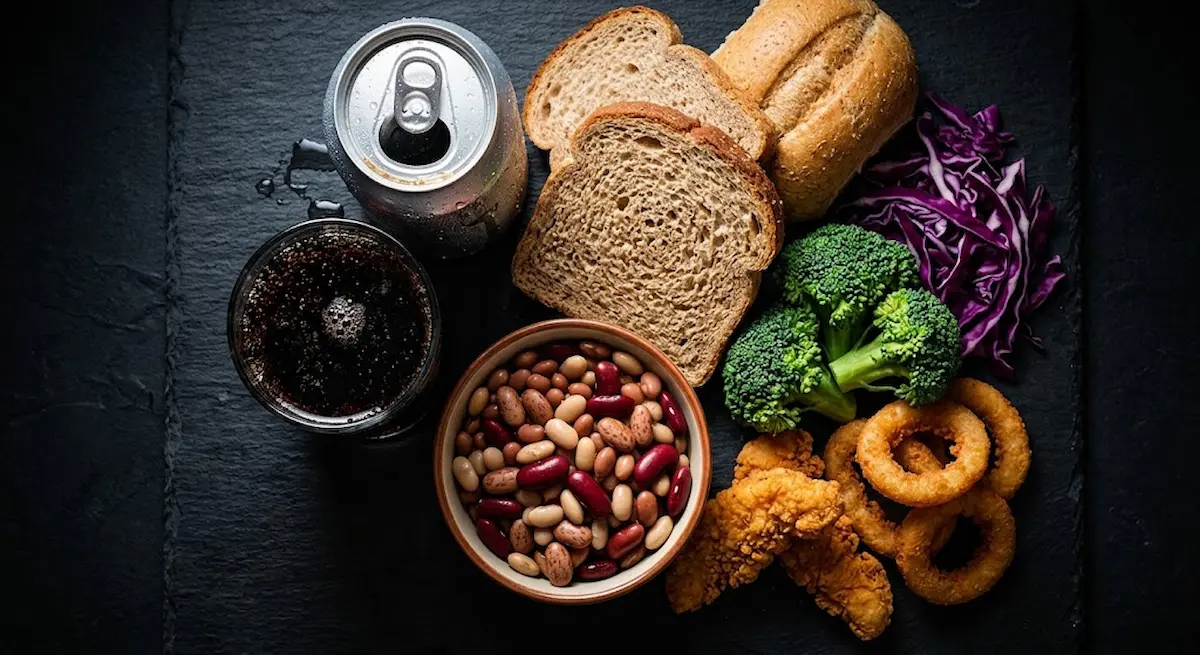
Bloating is usually caused by a build-up of gas, air or fluid in your stomach and intestines. Some of that gas comes from swallowing air while you eat, especially if you eat quickly, talk while chewing, or drink through a straw. The rest is produced naturally as gut bacteria break down food during digestion — certain foods simply produce more gas than others, including beans, cruciferous vegetables like broccoli and cabbage, wheat-based products, fizzy drinks and fried food.
Eating large meals, eating too fast, or having an intolerance to lactose or certain fermentable carbohydrates (often grouped under the term FODMAPs) can all make bloating after eating worse. According to the Cleveland Clinic, a bloated stomach is an extremely common feeling of tightness, pressure or fullness that can range from mildly uncomfortable to genuinely painful, and it usually settles down on its own within a few hours.
Is Bloating After Eating Something to Worry About?
For most people, the occasional tight or swollen feeling after a meal is completely normal and not a cause for concern. Gas is simply a natural part of digestion — in fact, most people pass gas up to twenty times a day without it meaning anything is wrong. The Mayo Clinic notes that burping and passing gas are rarely, by themselves, a sign of a medical problem.
That said, it’s worth paying closer attention if bloating is severe, happens after nearly every meal, or comes together with other symptoms like blood in your stool, unexplained weight loss, persistent nausea, or a noticeable change in your bowel habits. Those combinations are worth discussing with a healthcare provider, since they can sometimes point to an underlying digestive condition that benefits from proper diagnosis. In short, occasional bloating rarely means something is seriously wrong, but persistent symptoms deserve a closer look.
Natural Ways to Relieve Bloating After Eating
Small changes to how and what you eat can make a real difference in how comfortable you feel after meals. A few strategies worth trying: If you’ve been asking why am I so bloated after eating for a while now, these small habits tend to make the biggest difference.
- Eat slower and chew thoroughly. Wolfing down food increases the amount of air you swallow, which adds directly to gas build-up.
- Try smaller, more frequent meals. Large meals ask more of your digestive system all at once, which can make bloating after eating more noticeable.
- Go for a short walk after eating. Gentle movement helps trapped gas move through your digestive tract instead of sitting and causing pressure.
- Cut back on carbonated drinks and straws. Both increase the amount of air you swallow without you realising it.
- Support your gut with fibre and fluids. A steady intake of fibre and water helps keep digestion moving smoothly, which can reduce how often bloating shows up in the first place.

Diet and lifestyle changes are the foundation, but some people — particularly here in Australia, where gut-health supplements have become a popular part of daily routines — also look into probiotic and prebiotic formulas to support digestive balance on top of those daily habits. If you’re curious whether that kind of formula fits into your routine, our Belly Balance review breaks down what’s inside it, how it’s meant to work, and what to realistically expect.
Curious About a Natural Way to Support Digestive Balance?
Read Our Full Belly Balance ReviewFAQ: Why Am I So Bloated After Eating
Why am I so bloated after eating everything I eat?
If bloating shows up after almost every meal, regardless of what you eat, it’s often less about one specific food and more about how much you’re eating, how quickly you’re eating it, or ongoing swallowed air from habits like chewing gum or drinking fizzy beverages. Slowing down and eating smaller portions is usually the first thing worth trying.
Can probiotics help with bloating and gas?
Probiotics introduce beneficial bacteria that may help balance your gut microbiome, which plays a role in how efficiently you digest food and how much gas is produced along the way. Many people find that a consistent probiotic and prebiotic routine, alongside diet changes, leads to steadier digestion over time — though individual results vary and it’s not an instant fix.
Why do I feel bloated all the time, even between meals?
Constant bloating that doesn’t seem tied to specific meals is often related to ongoing factors like stress, hormonal changes, low fibre intake, or a gut bacteria imbalance rather than any single food. Chronic constipation can also trap gas and fluid, creating that persistent full feeling. If it’s a daily occurrence, it’s worth looking at your overall diet pattern and stress levels rather than just individual meals.
What causes stomach bloating in general?
Stomach bloating usually comes down to a build-up of gas, air, or fluid in your digestive tract. The most common contributors are swallowed air, gas produced during digestion of certain foods, eating too quickly, constipation, and food intolerances such as lactose or fructose sensitivity. Hormonal changes and stress can also play a role, especially in ongoing or recurring bloating.
How can I reduce bloating naturally?
Eating slowly, avoiding carbonated drinks, staying active after meals, and getting enough fibre and water each day are some of the simplest natural ways to reduce bloating. Cutting back temporarily on known trigger foods — like beans, cabbage, or fried food — and paying attention to how your body responds can also help you pinpoint what’s driving your particular bloating.
Final Verdict
Occasional bloating after eating is usually nothing more than your digestive system working through gas, air, and normal food breakdown — small changes to how fast you eat, how much you eat, and how active you are after meals tend to make a real difference within days. Severe or persistent bloating, especially alongside other symptoms, is the exception worth mentioning to a healthcare provider, not the rule.
If you’ve already tightened up the basics and want extra support for everyday digestive balance, our Belly Balance review breaks down what’s inside the formula and what to realistically expect.
These statements have not been evaluated by the Food and Drug Administration. This product is not intended to diagnose, treat, cure, or prevent any disease. This article is for informational purposes only and is not a substitute for professional medical advice.