
Best Vitamins for Energy: 8 Options That Actually Work

If you’ve been searching for the best vitamins for energy, you’re far from alone — low energy is one of the most common complaints people bring to their doctor, and vitamin deficiencies are one of the most overlooked (and most fixable) causes.
This guide walks through the best vitamins for energy backed by real research, the warning signs that a deficiency might be behind your fatigue, and how to figure out which nutrients are actually worth prioritizing — instead of guessing your way through the supplement aisle.
Affiliate Disclosure: This article contains affiliate links. If you purchase through these links, we may earn a commission at no extra cost to you.
Signs You Might Need More Energy-Supporting Nutrients
Before diving into the best vitamins for energy, it helps to recognize the signs that your body might be running low on key nutrients:
- Persistent fatigue that doesn’t improve with sleep
- Feeling weak or short of breath during normal activities
- Difficulty concentrating or frequent brain fog
- Pale skin or feeling unusually cold
- Irritability or low mood alongside low energy
- Frequent headaches
These are classic markers of vitamins for tiredness deficiencies — and the good news is that several of the most common causes are well understood and easy to address.
8 Best Vitamins for Energy
Here’s a closer look at the best vitamins for energy across the nutrients most commonly linked to fatigue and low energy levels — including which ones tend to make the biggest difference.
1. Vitamin B12
Vitamin B12 plays a direct role in how your body converts food into usable energy. Low levels are one of the most well-documented causes of fatigue, since <a href=”https://ods.od.nih.gov/factsheets/VitaminB12-Consumer/” target=”_blank” rel=”nofollow noopener”>vitamin B12 deficiency can cause tiredness and weakness</a>. It’s especially common in older adults and people following plant-based diets.
2. Iron
Iron might not technically be a vitamin, but it’s essential to this list because iron deficiency anemia causes tiredness and lack of energy, along with poor concentration and reduced ability to fight off infections.
3. Vitamin D
Among the best vitamins for energy, vitamin D often gets overlooked. Often called the “sunshine vitamin,” low vitamin D levels have been associated with fatigue and low mood, particularly in people who spend most of their time indoors or live in areas with limited sunlight.
4. Vitamin B6
Vitamin B6 supports the metabolic pathways that convert carbohydrates and protein into usable energy. It also plays a role in red blood cell production, which affects how efficiently oxygen moves through the body.
5. Folate (Vitamin B9)
Folate works closely alongside B12 in red blood cell formation. A shortage can contribute to a type of anemia that leaves people feeling drained and short of breath.
6. Magnesium
Magnesium is involved in hundreds of enzymatic reactions, including several tied directly to how cells produce energy. Low intake has been linked to fatigue, muscle cramps, and poor sleep quality.
7. Coenzyme Q10 (CoQ10)
CoQ10 plays a central role in mitochondrial energy production — essentially, the process your cells use to generate fuel. Levels naturally decline with age, which is part of why energy levels can dip over time.
8. Vitamin C
Beyond immune support, vitamin C helps the body absorb non-heme iron from plant-based foods more efficiently, making it a useful complement to an iron-focused approach to fighting fatigue.
When Diet Alone Isn’t Enough
Even with a solid diet, factors like age, absorption issues, stress, and certain medications can make it harder to maintain optimal levels of the nutrients above — which is exactly why so many people search for the best vitamins for energy rather than relying on food sources alone.
This is where multivitamins for tiredness and targeted energy-support formulas come in — combining several of these nutrients (along with complementary botanicals) into a single daily routine, rather than tracking down eight separate supplements.
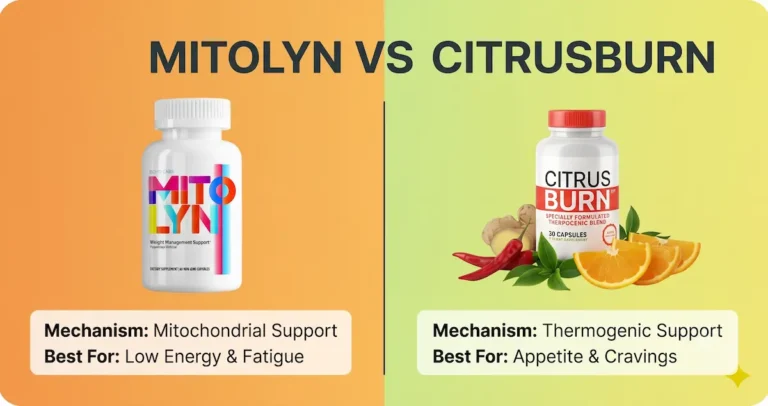
If you’re also dealing with a sluggish metabolism alongside low energy, it’s worth reading our guide on how to speed up metabolism naturally, since the two often overlap. For a stimulant-free formula that combines several energy-supporting ingredients, you can also check our full CitrusBurn review.
Looking for an All-in-One Energy Solution?
CitrusBurn combines citrus peel extracts and metabolism-supporting nutrients — stimulant-free, made in the USA.
Check Today’s Discount on CitrusBurnHow to Choose the Right Vitamin for You
With so many options claiming to be the best vitamins for energy on the market, it helps to narrow things down:
- Start with a blood test if possible. A basic panel can reveal whether you’re actually low in B12, iron, or vitamin D, rather than guessing.
- Consider your diet. Vegetarians and vegans are more likely to need B12 and iron support; people with limited sun exposure often benefit from vitamin D.
- Watch for interactions. Some nutrients (like iron and calcium) compete for absorption, so timing matters.
- Don’t stack unnecessarily. More isn’t always better — some vitamins have upper intake limits that are easy to exceed with multiple supplements.
FAQ: Best Vitamins for Energy
1. What vitamin is good for energy if I’m always tired?
Among the best vitamins for energy, vitamin B12 and iron are the two most commonly linked to fatigue, since both play direct roles in oxygen transport and energy metabolism. A simple blood test can help confirm which one (if either) is behind your symptoms.
2. How long does it take for energy vitamins to work?
For a genuine deficiency, most people notice improvement within 2–4 weeks of consistent supplementation, though full correction of a significant deficiency can take a few months.
3. Can I get enough energy vitamins from food alone?
For many people, yes — but factors like age, digestive issues, certain medications, and dietary restrictions can make it harder to get enough from food alone, which is where supplements can help fill the gap.
4. Is it safe to take multiple energy vitamins together?
Generally yes, but some nutrients have upper intake limits and certain combinations can affect absorption. It’s best to check with a healthcare provider before combining multiple high-dose supplements.
5. Are natural energy supplements different from caffeine-based ones?
Yes — vitamin and nutrient-based formulas work by supporting your body’s own energy production processes, while caffeine-based products provide a temporary stimulant effect that can lead to a crash later.
Final Verdict
Low energy is frustrating, but finding the best vitamins for energy for your situation is often more fixable than people realize. Understanding the best vitamins for energy — particularly B12, iron, vitamin D, and magnesium — gives you a clear, evidence-based starting point instead of random trial and error.
The most reliable approach combines a nutrient-dense diet with targeted supplementation where gaps exist, ideally guided by a simple blood test rather than guesswork. For those who want a convenient way to support energy and metabolism together, a stimulant-free formula like CitrusBurn can be a useful complement to the fundamentals above — just remember that no supplement replaces a solid foundation of diet, sleep, and movement.
Ready to Support Your Energy Levels Naturally?
Claim Your CitrusBurn Discount Now